
Rice chemists turn common asphalt into carbon collector
Wednesday September 14, 2016
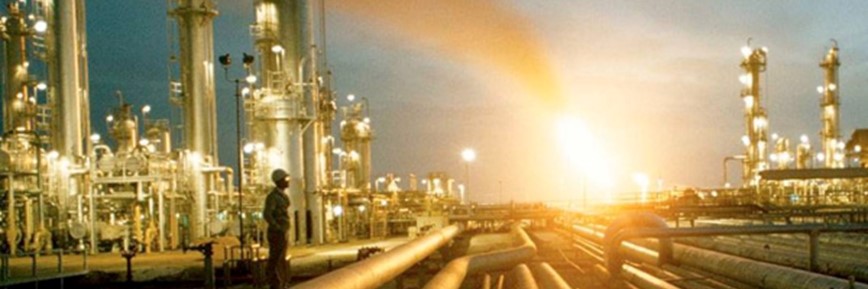
The key: Asphalt.
Rice chemistry professor James Tour and his lab have been working on the process for six years. Tour says the industry is keenly interested - oil and gas companies anticipate the U.S. government will soon begin taxing them for releasing carbon dioxide, a byproduct of natural gas processing and a key greenhouse gas charged with exacerbating global warming.
They are going to have to stop blowing this stuff into the air,†Tour said. It hasn't hit yet, but they see it coming.â€
Companies can't sell raw natural gas, which contains 2 to 10 percent carbon dioxide and other impurities, Tour said. But the cleanup is energy-intensive and expensive. Generally, companies have to mine the gas, transport it via pipeline to processing plants, and then push it through fluids called amines in tall towers.
But amines only soak up about 15 percent of their own weight in carbon dioxide, Tour said.
And, to release the gas trapped in the amines, processors have to heat the assembly to over 250 degrees.
Moreover, most don't collect the escaping carbon, Tour said. They could sell it - there are industrial uses for CO2, including new efforts to stimulate oil and gas recovery in existing wells - but it costs more to capture and transport than it's worth to sell.
So Tour and his team began working on alternatives. Two years ago, they published research on the use of a porous carbon powder that trapped 82 percent of its weight in carbon dioxide.
Last year, they found an asphalt derivative that worked even better, collecting 114 percent of its weight in the greenhouse gas.
This year, Tour's lab has again improved its product. In research published this month in the journal Advanced Energy Materials, Tour showed that a new form of the asphalt can trap 154 percent of its weight in carbon dioxide.
Better yet, the new material works at room temperature, and at pressures common inside gas wellheads. It also automatically releases the gas when pressure dips. Tour said companies could add a pipe and some valves at the end of a well and easily clean the natural gas a...